How to Buy a Refurbished iPhone Safely in 2026
Buy a refurbished iPhone with confidence: where to shop, what to check, and which models offer the best value in 2026.

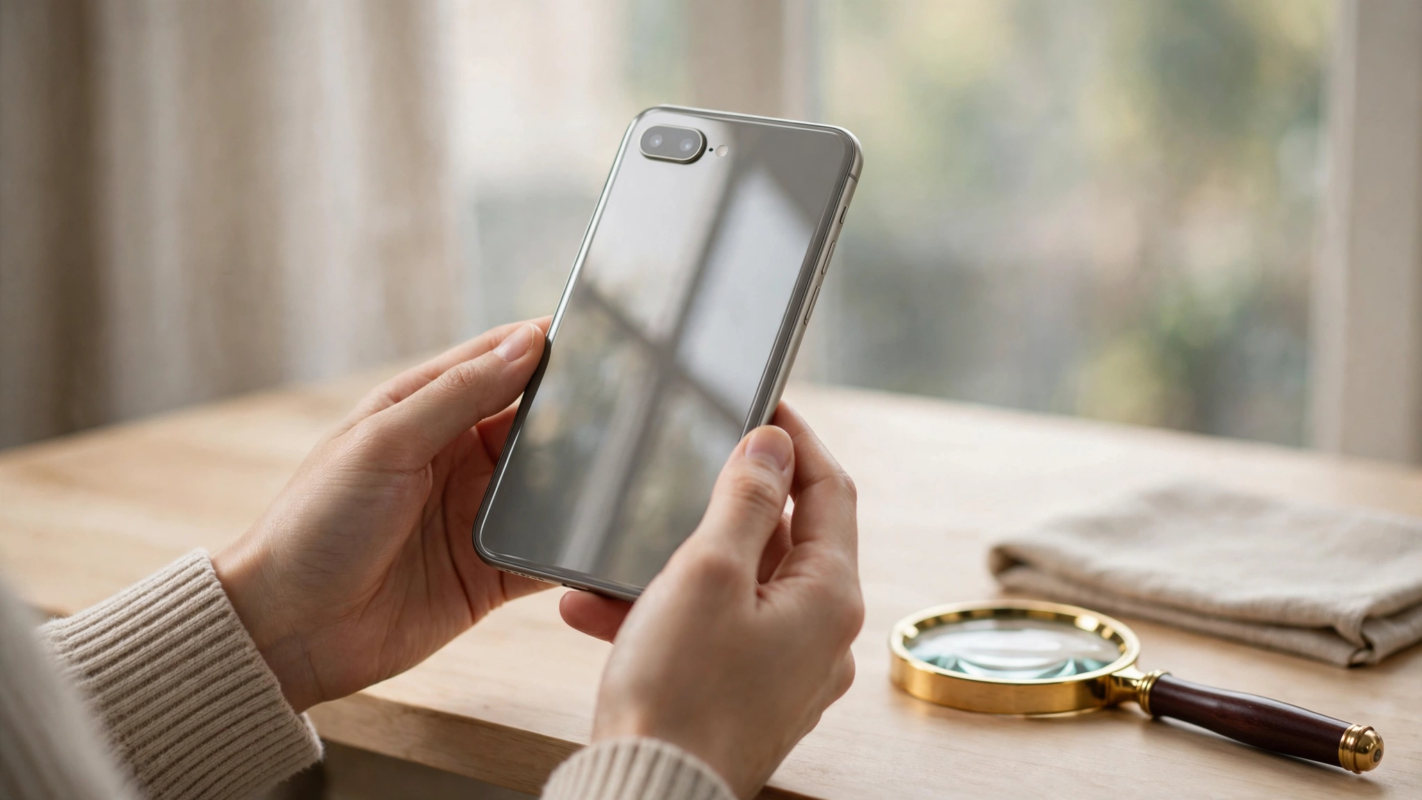
A refurbished iPhone is one of the smartest buys in tech right now. With the iPhone 17 starting at $799 and the iPhone 17 Pro at $1,099, going refurbished can save you hundreds while still getting a phone that feels brand new. The catch is that not all refurbished sellers are equal. This guide shows how to buy refurbished iPhone models safely in 2026, from choosing a trustworthy seller to checking the phone before you hand over money.
The short answer: To buy a refurbished iPhone safely, stick to sellers that offer a real warranty: Apple Certified Refurbished with its one-year warranty and new battery and outer shell, Back Market with its one-year warranty and graded condition, or carrier refurbished programmes. Check battery health (aim for 85 percent or higher), the cycle count on iPhone 15 and later, and confirm the phone is carrier-unlocked before you pay.
Why refurbished makes sense in 2026
The maths is compelling. A refurbished iPhone 15 Pro or iPhone 16 typically sells for 15 to 30 percent less than its original price, and one-generation-old models in excellent condition often perform indistinguishably from new ones in daily use. With the iPhone 17 lineup now established, prices on refurbished iPhone 15 and 16 models have settled into genuinely good value territory.
The market agrees. IDC reported that worldwide shipments of used smartphones reached 309.4 million units in 2023 and forecasts growth to 431.1 million units by 2028, a compound annual growth rate of 8.8 percent. Refurbished phones are no longer a niche for bargain hunters; they are a mainstream, fast-growing segment with professional sellers competing on quality guarantees.
There is also a practical argument. iPhones receive iOS updates for six or more years, so a two-year-old refurbished model still has years of software support ahead. An iPhone 15 Pro, for example, fully supports Apple Intelligence features, which makes it a strong refurbished pick rather than a compromise.
Where to buy a refurbished iPhone: the options compared
Where you buy matters more than which model you pick. Here is how the main options stack up on the things that protect you: warranty, returns, battery guarantees and price.
| Seller | Warranty | Returns | Battery guarantee | Price level |
|---|---|---|---|---|
| Apple Certified Refurbished | 1 year, AppleCare+ eligible | 14 days | New battery fitted | Highest refurbished prices |
| Back Market | 1 year included | 30 days | Minimum capacity by grade (85% on Fair) | Mid-range |
| Carrier refurbished (Verizon, T-Mobile, AT&T) | Typically 1 year | 14 to 30 days | Tested, usually 80%+ minimum | Mid-range, deals with trade-in |
| Marketplaces (Swappa, eBay, local sellers) | Varies or none | Seller-dependent | None guaranteed | Lowest prices |
Apple Certified Refurbished: the safest option
Apple’s own Certified Refurbished store is the gold standard. Every device gets a new battery and a new outer shell, full functional testing, and the same one-year warranty as a new product, with AppleCare+ available. Stock fluctuates, and prices sit closest to new, but for risk-averse buyers it is the easiest yes.
Back Market: the best balance of price and protection
Back Market is a marketplace of professional refurbishers with a one-year warranty and 30-day returns on every order. Phones are graded Fair, Good, Excellent or Premium, with minimum battery capacity thresholds per grade (85 percent on Fair, higher on better grades). Read the seller’s notes on each listing, because cosmetic condition varies even within a grade. Prices usually undercut Apple by a clear margin.
Carrier refurbished: worth checking with a trade-in
Verizon, T-Mobile and AT&T all run certified pre-owned programmes with warranties of around a year. Prices are competitive, and trade-in deals can beat every other option if you have an old phone to hand in. Check whether the device is locked to that carrier, and factor in any plan requirements attached to the deal.
Marketplaces and local sellers: cheapest, but verify everything
Swappa, eBay and Facebook Marketplace offer the lowest prices, and Swappa’s IMEI checks filter out stolen or financed devices. But warranties are seller-dependent or nonexistent, and returns can be a fight. Only buy here if you are comfortable running the full inspection checklist below, and never pay by bank transfer or gift cards.
How to check a refurbished iPhone before you pay
Run through these checks in order, whether you are buying online with a return window or meeting a seller in person. They take about ten minutes and catch the vast majority of problems.
-
Check battery health and cycle count. Go to Settings, then Battery, then Battery Health. Aim for maximum capacity of 85 percent or higher; anything lower will need a replacement sooner than you would like. On iPhone 15 and later, you can also see the cycle count, which tells you how heavily the battery has been used. A low cycle count with high capacity is the ideal combination.
-
Review parts and service history. Under Settings, then General, then About, iOS lists any parts that have been replaced and whether they are genuine Apple parts. A replaced display or battery is not automatically a problem on a refurbished phone, but unknown or non-genuine parts are a red flag worth questioning.
-
Confirm Activation Lock is off. The previous owner must have signed out of their Apple Account and erased the phone. If you see an Activation Lock screen asking for someone else’s account, walk away: only the original owner can remove it, and a locked phone is effectively a brick.
-
Verify it is unlocked. In Settings, then General, then About, look at Carrier Lock. It should read “No SIM restrictions”. A locked phone only works on one carrier, which limits your options and resale value. If you plan to use an eSIM, check our eSIM vs physical SIM explainer, since US iPhones from the iPhone 14 onwards are eSIM-only.
-
Test the hardware. Try Face ID, both cameras, the speakers, the microphone, all buttons, and wireless charging. Make a test call, play a video, and plug in a cable to confirm the port charges properly. Check the screen for dead pixels and uneven brightness on a plain white image.
-
Check the model and region. The model number in Settings, then General, then About tells you which variant you have. US models from recent years lack a physical SIM tray, and some regional models have small feature differences. Make sure the storage size matches the listing, because this is a common listing error.
Which refurbished model should you pick?
In 2026, the sweet spot is the iPhone 15 Pro or the standard iPhone 16: both support Apple Intelligence, both will receive iOS updates for years, and both are widely available refurbished at strong discounts. The iPhone 15 and 15 Plus are cheaper still and remain excellent phones if you do not need the Pro camera system.
Be cautious with older models. The iPhone 12 and 13 are cheap refurbished but have fewer years of software support left and weaker batteries by now. Anything older than the iPhone 12 is only worth it as a backup phone. If budget is the main driver, also compare against new budget options in our best budget smartphones roundup, since a new mid-range Android occasionally beats an ageing refurbished iPhone on value.
Frequently Asked Questions
Is it safe to buy a refurbished iPhone?
Yes, provided you buy from a seller that offers a real warranty and a return window. Apple Certified Refurbished and Back Market both include a one-year warranty, which removes most of the risk. The danger lies with private sellers and auction listings offering no warranty and no returns. Always verify battery health, Activation Lock status and carrier lock before paying.
What battery health should a refurbished iPhone have?
Look for maximum capacity of 85 percent or higher. Apple considers 80 percent the threshold where a battery is worn enough to warrant replacement, so 85 percent gives you comfortable headroom. On iPhone 15 and later, also check the cycle count: under 300 cycles with high capacity suggests light previous use. Back Market’s Fair grade guarantees at least 85 percent.
Do refurbished iPhones come with a warranty?
It depends on the seller. Apple Certified Refurbished includes the same one-year warranty as a new iPhone, and Back Market includes a one-year warranty on every order. Carrier refurbished programmes typically offer around a year too. Marketplace purchases from private sellers usually have no warranty, which is why their prices are lower and why the inspection checklist matters more there.
Can I get AppleCare on a refurbished iPhone?
Yes for Apple Certified Refurbished devices: they are eligible for AppleCare+ just like new iPhones, and you can add it within 60 days of purchase. For refurbished phones from other sellers, AppleCare+ eligibility depends on the device passing Apple’s remote diagnostic, which is not guaranteed. Back Market offers its own protection plans as an alternative worth comparing.
Is a refurbished iPhone unlocked?
Not always, so check before you buy. Apple Certified Refurbished iPhones sold SIM-free are unlocked, and Back Market listings state the lock status. Carrier refurbished phones are often locked to that carrier until their unlocking conditions are met. Always confirm “No SIM restrictions” under Settings, then General, then About before completing a purchase.
Conclusion
Buying a refurbished iPhone safely comes down to two decisions: buy from a seller with a genuine warranty, and verify the phone yourself before the return window closes. Apple Certified Refurbished is the safest route, Back Market offers the best balance of price and protection, and marketplaces reward careful buyers with the lowest prices. Run the battery, lock and hardware checks the moment it arrives, and back up your phone immediately, so your new-to-you iPhone is protected from day one.