What Are Solid-State Batteries? The EV Battery Tech to Watch in 2026
Solid-state batteries promise double the range, faster charging and far less fire risk; here is where the tech really stands in late 2026.

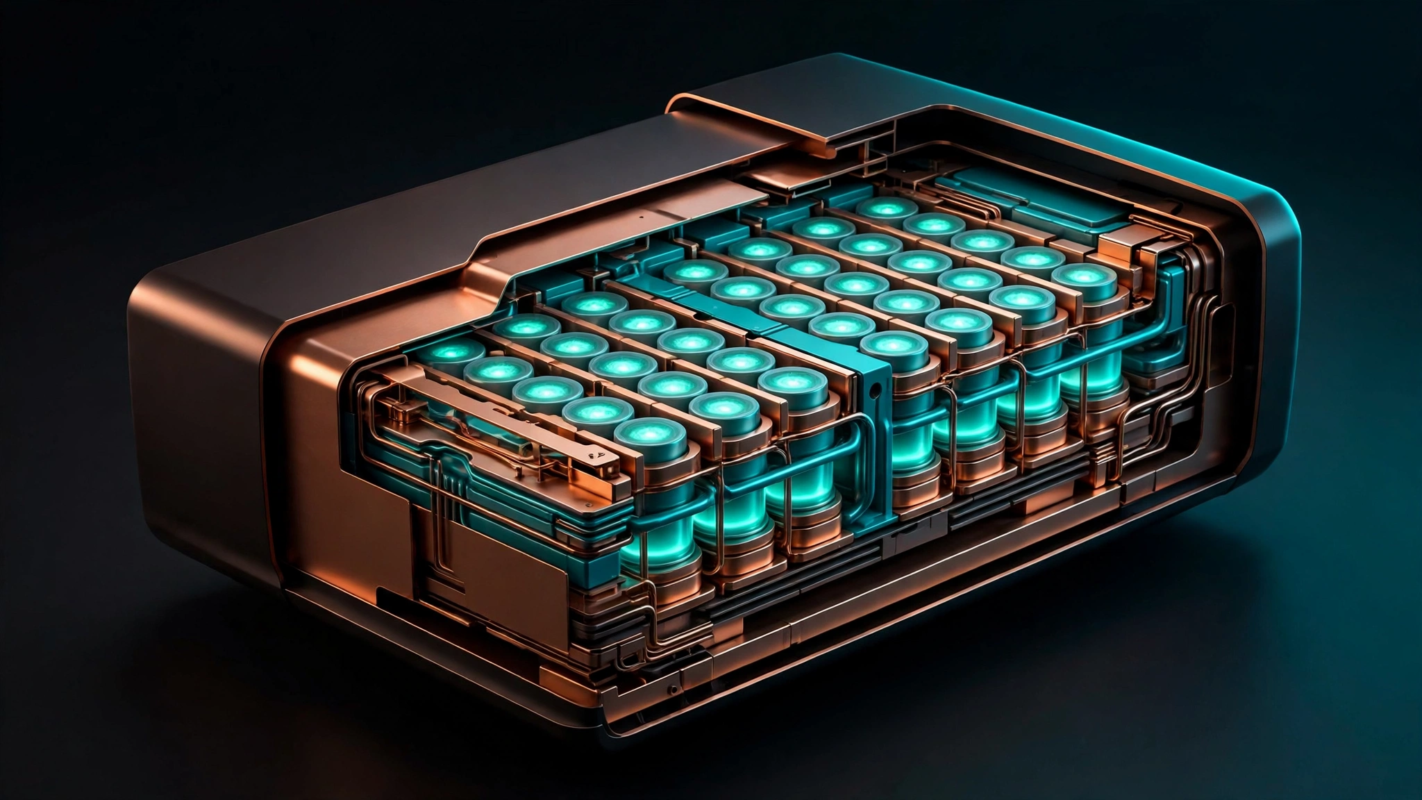
If you have followed electric cars for more than a few minutes, you have heard the promise: an EV that charges in ten minutes, travels 1,000 kilometres on a charge, and carries almost no fire risk. For years that promise lived in press releases and concept cars. In late 2026, the technology behind it, the solid-state battery, is finally moving from the laboratory to the pilot production line, and the timelines carmakers are quoting are specific enough to take seriously.
Solid-state batteries replace the flammable liquid electrolyte in lithium-ion cells with a solid ceramic or sulphide layer. The result is a battery that stores roughly twice the energy in the same space, charges faster, and is far less likely to catch fire. Toyota, Samsung SDI, QuantumScape, Solid Power, BMW and Hyundai are all racing to commercialise the tech, with limited production runs expected around 2027 to 2028.
How a solid-state battery actually works
Every rechargeable battery you own, from your phone to your laptop to an EV, works on the same basic principle: lithium ions shuttle back and forth between two electrodes through an electrolyte, and that movement stores and releases energy. The difference between today’s batteries and solid-state ones comes down to what that electrolyte is made of.
The liquid problem
Current lithium-ion cells use a liquid electrolyte, usually a lithium salt dissolved in an organic solvent. It conducts ions well, which is why the technology won, but it is flammable, it degrades over time, and it limits how energy-dense the cell can be. This is the reason EVs carry heavy cooling systems and battery management electronics, and it is why a damaged pack can go into thermal runaway, the chain reaction behind EV fires you see in the news.
Engineers have spent a decade squeezing more performance out of this chemistry, and they have done well. According to the IEA, average lithium-ion battery pack prices fell by roughly 20% in 2024 alone, which is a big reason today’s EVs keep getting cheaper and longer-ranged. But the liquid electrolyte is a ceiling. To go much further, the electrolyte itself has to change. For more background on where battery tech is heading, see the IEA Global EV Outlook.
The solid answer
A solid-state battery swaps the liquid for a solid electrolyte, typically a ceramic, a glass, or a sulphide-based compound. Because the solid layer is not flammable, the cell is inherently safer. Because it is thinner and more stable, manufacturers can use a pure lithium-metal anode instead of the graphite anode in today’s cells, and lithium metal stores far more energy per gram. Published prototype data from several developers shows cell-level energy densities around 400 to 500 Wh/kg, roughly double the 250 to 300 Wh/kg of today’s best nickel-manganese-cobalt cells.
The solid electrolyte also opens the door to much faster charging. Ions can move through some solid electrolytes quickly and the cell tolerates higher currents without the degradation and heat problems that plague liquid cells. That is where the ten-minute charging claims come from. The catch, and it is a big one, is manufacturing: making a defect-free solid layer at scale, thin enough to be useful and tough enough to survive thousands of charge cycles, has proven extremely difficult.
Solid-state vs lithium-ion: how the numbers compare
The table below compares a typical current EV lithium-ion pack with the targets developers have published for first-generation solid-state cells. Treat the solid-state column as a goal, not a guarantee.
| Metric | Lithium-ion (NMC, 2026) | Solid-state (developer targets) |
|---|---|---|
| Energy density | 250-300 Wh/kg | 400-500 Wh/kg |
| Typical EV range | 350-550 km | 800-1,200 km claimed |
| Fast-charge time (10-80%) | 20-40 minutes | 10-15 minutes claimed |
| Cycle life | 1,000-2,000 cycles | Target: 1,000+ cycles |
| Fire risk | Low but real (flammable liquid) | Very low (no liquid fuel) |
| Cost per kWh | Around $100-130 | Several times higher today |
| Production status | Mass production worldwide | Pilot lines and samples |
The main players and where they stand in 2026
Solid-state development is not one race but several, with different companies betting on different chemistries and timelines. Here are the names that matter.
Toyota
Toyota holds more solid-state battery patents than any other carmaker and has been the most vocal about timelines. The company has said its solid-state cells could deliver around 1,200 km of range with roughly ten-minute fast charging, and it is targeting 2027 to 2028 for limited production. Toyota’s plan is to debut the technology in lower-volume models first, where the higher cost is easier to absorb. You can follow their announcements on the Toyota global newsroom.
Samsung SDI
Samsung SDI is the furthest along among the big battery manufacturers, and its progress matters because it actually builds cells at scale for a living. The company has committed to mass production of all-solid-state batteries by 2027, with a pilot line already operating. Samsung’s roadmap focuses first on premium EVs, where buyers will pay extra for longer range, and the company has shown prototype cells to automotive customers throughout 2025 and 2026.
QuantumScape
QuantumScape, the Silicon Valley startup backed early on by Volkswagen, takes a different approach with its proprietary ceramic separator. The company has shipped A0 and B prototype samples to automotive partners for testing, and its 2026 milestones have centred on its higher-volume QSE-5 cell design and the manufacturing process needed to build it affordably. QuantumScape is the purest bet on the technology: it has no conventional battery business to fall back on.
Solid Power, BMW and Hyundai
Solid Power, based in Colorado, supplies sulphide-based solid-state test cells to both BMW and Ford, and BMW has said it aims to demonstrate a solid-state prototype vehicle before 2030. Hyundai is pursuing a parallel path, investing in its own solid-state programme while also backing startups, with a stated goal of mass production around the end of the decade. The pattern is consistent: every major carmaker wants a seat at the table, but nobody is promising affordable solid-state EVs before 2028 at the earliest.
Where the technology stands in late 2026
So what is real right now, and what is still a slide deck? Real: working prototype cells with genuinely impressive energy density, pilot production lines that can make thousands of cells rather than dozens, and signed development agreements between battery makers and carmakers. Still ahead: proving those cells survive thousands of charge cycles in real cars, and getting manufacturing costs anywhere near lithium-ion levels.
The honest timeline looks like this. Expect limited, expensive appearances first: flagship EVs or low-volume models around 2027 to 2028, where the technology is a selling point worth a premium. Mainstream adoption, the point where a solid-state pack costs about the same as a lithium-ion one, is a 2030s story according to most independent analysts. That is not pessimism; it is how every battery chemistry has scaled, from lead-acid to lithium-ion.
It is also worth remembering that lithium-ion is not standing still. With pack prices falling about 20% in a single year according to the IEA, and chemistries like lithium-iron-phosphate getting cheaper every quarter, the bar solid-state has to clear keeps rising. Solid-state does not need to replace lithium-ion everywhere to matter. It needs to win where energy density and safety matter most: long-range EVs, aviation, and eventually premium electronics.
What solid-state batteries mean for you
If you are shopping for an EV in 2026 or 2027, do not wait for solid-state. The cars on sale today are good, they are getting cheaper, and the first solid-state models will carry early-adopter pricing anyway. Buy the EV that fits your driving now; battery tech improves every year, and there will always be something better on the horizon.
For phones, laptops and other gadgets, the impact will arrive later and more quietly. A solid-state phone battery would mostly mean a thinner phone or longer life rather than a spec-sheet headline, and phone makers are in no rush while lithium-ion keeps improving. If you are weighing your next upgrade and wondering how much phone storage do you need, battery chemistry should not change your answer yet. The same goes if you are asking are foldable phones worth it: thinner solid-state cells would eventually help foldable designs, but today’s buying decision rests on price and durability, not future batteries.
And while we wait, the battery you already own deserves some care. Lithium-ion packs last noticeably longer with sensible charging habits, so read our guide on how to extend laptop battery life before you assume your next device needs replacing.
Frequently Asked Questions
What are solid state batteries in simple terms?
They are rechargeable batteries that use a solid material instead of a flammable liquid to carry charge between the electrodes. This makes them safer, lets them store about twice the energy in the same space, and allows faster charging. The concept is proven in labs and prototypes, but affordable mass production is still a few years away.
When will solid-state batteries be in electric cars?
Limited production models are expected around 2027 to 2028 from companies like Toyota and Samsung SDI, likely in premium or low-volume vehicles first. Mainstream, affordable solid-state EVs are a 2030s prospect, because manufacturing costs need several more years to fall to lithium-ion levels.
Are solid-state batteries really safer than lithium-ion?
Yes, in the specific sense that matters most: they remove the flammable liquid electrolyte that fuels thermal runaway fires in damaged lithium-ion packs. No battery is risk-free, and solid-state cells still need proper engineering and testing, but the fundamental fire chemistry is far less dangerous by design.
Will solid-state batteries make EVs cheaper?
Not at first. Early solid-state cells cost several times more per kWh than lithium-ion, so the first models using them will be expensive flagships. Prices should fall as manufacturing scales through the 2030s, but lithium-ion keeps getting cheaper too, so the cost crossover point is still uncertain.
Should I wait for solid-state before buying an EV?
No. Current EVs are capable and increasingly affordable, with pack prices down roughly 20% in 2024 according to the IEA. Waiting means missing years of fuel savings for a technology whose affordable arrival is still several years out. Buy for your needs today, not for a battery roadmap.
Conclusion
Solid-state batteries are the most credible leap in battery technology in thirty years: double the energy density, faster charging, and a fundamental fix for battery fires. Toyota, Samsung SDI, QuantumScape, Solid Power, BMW and Hyundai have all moved from promises to pilot lines, which is genuine progress. But pilot lines are not factories, and the road from 2026 prototypes to affordable 2030s EVs runs through brutal manufacturing challenges. Watch the timelines, enjoy the improving lithium-ion cars on sale today, and treat solid-state as the next decade’s upgrade, not next year’s.