Wireless Earbuds Buying Guide 2026: What Actually Matters
Learn what really matters when buying wireless earbuds in 2026, from ANC and sound quality to Bluetooth features, comfort and battery life.

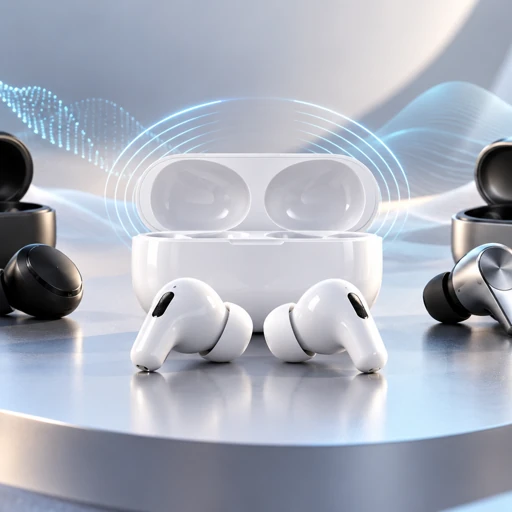
Buying wireless earbuds in 2026 is more complicated than comparing battery life and Bluetooth versions. Premium models promise better sound, intelligent noise cancellation, spatial audio, and seamless device switching, but not every feature improves everyday listening. This wireless earbuds buying guide explains which specifications genuinely matter, what you can safely ignore, and how to choose earbuds that fit your phone, lifestyle, and budget.
Quick Answer: The best wireless earbuds in 2026 are the ones that fit comfortably, deliver reliable active noise cancellation, provide clear microphone quality, and work properly with your devices. Prioritize fit, measured sound performance, battery endurance, and connectivity over Bluetooth version numbers or driver size. Spend extra on premium earbuds only when their specific features solve problems you experience regularly.
1. Start With Fit and Comfort, Not Sound Specifications
Even technically excellent earbuds become frustrating when they loosen during exercise or create pressure after an hour. Fit also determines how effectively earbuds reproduce bass and block environmental noise.
Why Ear Tip Sealing Matters
Most premium wireless earbuds use silicone or foam tips to create a seal inside the ear canal. This seal improves bass response and passive noise isolation, which reduces the amount of outside sound reaching your ears before electronic cancellation begins.
A poor seal can make expensive earbuds sound thin and reduce noise cancellation performance. Before buying, check whether replacement tips are included and whether the manufacturer offers multiple sizes.
Apple’s AirPods Pro 3, introduced in 2025, include five ear tip sizes from XXS to L. This flexibility matters more for comfort than many advertised audio technologies.
In-Ear vs Open-Fit Earbuds
In-ear earbuds create a seal, making them suitable for commuting, air travel, and focused work. Open-fit earbuds rest near the ear canal without fully sealing it, allowing greater awareness of surroundings.
Samsung’s 2026 Galaxy Buds4 Pro use a sealed design, while the standard Galaxy Buds4 have an open-type design. Neither approach is universally better.
If you dislike the plugged-ear sensation, an open design may be more comfortable. However, expect less passive isolation and potentially weaker low-frequency noise cancellation.
2. Active Noise Cancellation: What Actually Makes It Effective?
Active noise cancellation, commonly called ANC, uses microphones and signal processing to generate sound that counteracts external noise. It works particularly well against predictable, low-frequency sounds such as airplane engines, ventilation systems, and road noise.
ANC Performance Cannot Be Judged by Driver Size
A manufacturer might advertise 11 mm drivers or multiple microphones, but these specifications cannot tell you how effectively its earbuds cancel noise.
ANC quality varies substantially between products because microphone placement, acoustic sealing, processing algorithms, and ear geometry all influence results.
Independent measurements from reviewers such as RTINGS and SoundGuys are therefore more useful than specifications alone. Look for frequency-based isolation measurements rather than relying exclusively on marketing descriptions.
Compare Noise Cancellation in Real Environments
When evaluating ANC, consider three situations:
- Transportation: Can the earbuds meaningfully reduce engine rumble and road noise?
- Office environments: Do they reduce air-conditioning noise and background conversation?
- Outdoor walking: Do their microphones introduce unwanted wind noise?
Premium models worth comparing include Apple’s AirPods Pro 3, Sony’s WF-1000XM6, and Samsung’s Galaxy Buds4 Pro. All target demanding listeners, but their results can differ depending on fit and environmental conditions.
Also evaluate transparency or ambient sound mode. A natural-sounding transparency mode is valuable when ordering coffee, hearing announcements, or briefly speaking with colleagues.
3. Sound Quality: Ignore the Wrong Numbers
Driver diameter, frequency response, and high-resolution audio branding dominate product descriptions. However, none guarantees that earbuds will sound good to your ears.
Sound Tuning Matters More Than Driver Size
A well-tuned 6 mm driver can sound better than a poorly implemented 12 mm driver. Driver design, acoustic chambers, equalization, and distortion control all influence performance.
Pay attention to tonal balance. Good earbuds should deliver convincing bass without obscuring vocals, natural midrange reproduction, and detailed treble without harshness.
Reviews featuring frequency response graphs can help you understand whether a model emphasizes bass, vocals, or treble. Personal preference still matters, so listening tests remain valuable.
Bluetooth Audio Codecs Explained
Wireless audio codecs compress and transmit sound between your device and earbuds. Common options in 2026 include SBC, AAC, LDAC, and LC3.
| Codec | Main Advantage | What Buyers Should Know |
|---|---|---|
| SBC | Broad compatibility | Standard Bluetooth audio option with implementation-dependent quality |
| AAC | Efficient audio compression | Common on Apple devices and many Android earbuds |
| LDAC | Higher wireless bitrates | Requires compatible hardware and can consume more power |
| LC3 | Efficient LE Audio transmission | Requires compatible LE Audio implementations on both devices |
Sony’s WF-1000XM6 supports SBC, AAC, LDAC, and LC3, according to Sony’s published specifications.
However, the codec is only one part of the listening experience. A well-tuned AAC connection can sound better than a poorly tuned LDAC implementation.
For most listeners using Spotify, Apple Music, or YouTube Music, speaker tuning and ear tip fit deserve more attention than codec branding.
4. Bluetooth 5.4, LE Audio, and Auracast: What Is Worth Paying For?
Bluetooth specifications are increasingly confusing because newer version numbers do not automatically mean better sound, stronger connections, or longer battery life.
Does Bluetooth 5.4 Improve Audio Quality?
Bluetooth 5.4 introduced improvements to the underlying wireless specification, but it does not automatically produce better music reproduction.
For example, Apple’s AirPods Pro 3 and Sony’s WF-1000XM6 both specify Bluetooth 5.3. That does not make their sound quality or connectivity inherently inferior to earbuds advertising Bluetooth 5.4.
Instead, examine the actual audio capabilities, supported codecs, connection stability, and compatibility with your phone.
Why LE Audio and Auracast Matter
Bluetooth LE Audio introduces efficient audio capabilities using Bluetooth Low Energy, including the LC3 codec and support for new listening experiences.
According to the Bluetooth Special Interest Group (Bluetooth SIG), Auracast broadcast audio allows compatible transmitters to send audio to multiple nearby receivers. Practical applications include shared television audio, public venue announcements, and assisted listening.
By 2026, newer phones and earbuds support LE Audio and Auracast, making compatibility relevant for long-term purchases. However, both the transmitting device and receiving equipment need appropriate support.
Bluetooth SIG also confirms that Auracast support is optional. A device advertising Bluetooth 5.4 or LE Audio does not necessarily support Auracast.
Before buying, verify the exact capabilities of your phone and earbuds rather than assuming compatibility from their Bluetooth version.
5. Battery Life: Focus on Real Listening Time
Manufacturers frequently advertise 24, 30, or even 40 hours of battery life. These totals often include multiple recharges from the case, rather than continuous listening time.
Single-Charge Battery Life Matters Most
Evaluate battery endurance with ANC enabled, since disabling noise cancellation can significantly increase operating time.
Apple’s official specifications list up to eight hours of listening time with ANC enabled for AirPods Pro 3, introduced in 2025, and up to 24 hours including the charging case.
Sony lists up to eight hours with noise cancellation enabled and up to 12 hours without it for the WF-1000XM6.
These are manufacturer test figures, not guaranteed real-world results. Higher volume, demanding codecs, phone calls, and certain processing features may reduce endurance.
Charging Features Worth Considering
Most flagship earbuds now include convenient charging options, with wireless charging common among leading premium models.
Look for USB-C charging, fast-charge functionality, and a case that fits comfortably into your pocket.
Wireless charging is useful if you already own compatible charging pads, but it should rarely determine your purchase by itself.
If you want to understand USB-C hardware terminology more broadly, our USB-C vs Thunderbolt 5 comparison explains why connector appearance does not guarantee identical capabilities.
6. Microphone Quality and Multipoint Connectivity
Many earbuds sound excellent while playing music but struggle during video calls or outdoor conversations. For remote workers and frequent callers, microphone quality may matter more than premium audio codecs.
Test Microphones Against Background Noise
Look for reviews that include microphone recordings in quiet rooms, streets, and windy conditions. Pay attention to speech clarity rather than merely whether background noise disappears.
Some aggressive noise suppression systems remove surrounding sounds but make voices sound robotic or muffled.
Samsung’s Galaxy Buds4 Pro features enhanced calling technology with neural-network-based noise reduction, while Apple’s AirPods Pro 3 include Voice Isolation. Actual performance still depends on the calling application and environment.
Multipoint vs Automatic Device Switching
True Bluetooth multipoint allows earbuds to maintain connections with two devices simultaneously, such as a laptop and smartphone.
This is particularly useful when listening to music on a computer and receiving calls on your phone.
Many flagship Android-focused earbuds support multipoint, including Sony’s WF-1000XM6. However, some ecosystem-focused products use proprietary automatic switching rather than conventional cross-platform multipoint.
Apple’s AirPods emphasize switching between compatible Apple devices. Buyers using Windows and Android alongside an iPhone should verify the exact behavior before purchasing.
7. Which Wireless Earbuds Should You Buy in 2026?
Rather than choosing a single universal winner, match the purchase to your smartphone, listening habits, and expectations.
| Earbuds | Best Suited For | Important Consideration |
|---|---|---|
| Apple AirPods Pro 3 | iPhone users seeking integrated controls, ANC, and Apple ecosystem features | Several advanced features require compatible Apple devices |
| Sony WF-1000XM6 | Listeners seeking codec flexibility, ANC, and conventional multipoint | Fit and app settings influence the experience |
| Samsung Galaxy Buds4 Pro | Samsung Galaxy users wanting deeper ecosystem integration | Some features depend on compatible Galaxy hardware and software |
| Soundcore Liberty series | Value-focused buyers seeking useful features at lower prices | Compare individual generations rather than the brand alone |
| Jabra Elite 8 Active Gen 2 | Buyers considering durable, exercise-oriented earbuds | An older-generation option with availability and ongoing support worth checking |
For iPhone owners, AirPods Pro 3 are a sensible starting point because of their integration with Apple’s software and device ecosystem.
For mixed-device users, Sony’s WF-1000XM6 deserves consideration because it supports multipoint connectivity and several major audio codecs.
Samsung Galaxy owners should evaluate Galaxy Buds4 Pro, particularly if they value Samsung’s device-specific audio and pairing features.
How Much Should You Spend?
Three practical price ranges cover most buyers:
- Under $75: Focus on fit, reliable connectivity, microphone clarity, and basic water resistance.
- $75 to $175: Look for stronger ANC, adjustable equalization, better microphones, and multipoint support.
- $175 to $300: Expect premium processing, stronger ecosystem integration, refined transparency modes, and more advanced features.
These are shopping budget categories rather than verified current selling prices. Actual prices vary by retailer, location, and promotions.
If you are choosing an affordable phone alongside new earbuds, our best budget smartphones guide can help you evaluate the other half of your wireless audio setup.
8. A Practical Five-Step Buying Checklist
Use this process to avoid paying for specifications that will not improve your daily experience.
- Check compatibility: Confirm your phone supports the earbuds’ essential codecs, app features, and audio-sharing capabilities.
- Prioritize comfort: Choose a design with suitable ear tips and a realistic return policy so you can test fit.
- Read independent measurements: Compare ANC performance, sound tuning, and recorded microphone samples.
- Check actual battery endurance: Compare single-charge listening time with ANC enabled, not just the case total.
- Evaluate ownership costs: Check replacement ear tip availability, warranty coverage, software support, and potential battery degradation.
Water resistance deserves attention as well. IPX4 generally indicates protection against splashing water, which is useful for workouts, but does not mean earbuds are suitable for swimming.
AirPods Pro 3 carry an IP57 rating for the earbuds and case, according to Apple. Even with stronger ratings, water resistance can diminish through normal wear.
Gamers and immersive-media users should investigate audio latency separately. Standard Bluetooth earbuds may introduce noticeable delay in certain games, particularly on devices without effective latency compensation.
If immersive experiences interest you, our best VR headset guide covers another category where audio responsiveness and device compatibility can influence the overall experience.
9. Frequently Asked Questions
Are expensive wireless earbuds worth it in 2026?
Expensive earbuds are worth considering when you frequently use active noise cancellation, take calls in noisy places, or need reliable switching between devices. Premium models generally offer more refined processing and stronger software integration. However, affordable earbuds can provide excellent everyday listening if they fit well and deliver balanced sound.
Is Bluetooth 5.4 better than Bluetooth 5.3 for earbuds?
Bluetooth 5.4 is a newer specification, but it does not automatically improve sound quality or noise cancellation. Earbud performance depends on codecs, antenna design, firmware, and hardware implementation. A well-designed Bluetooth 5.3 model can outperform a cheaper Bluetooth 5.4 alternative. Compare supported features and independent tests instead of version numbers alone.
How long do wireless earbuds usually last?
Wireless earbuds commonly remain useful for approximately two to four years, although lifespan varies considerably. Battery capacity gradually declines with charging cycles, heat exposure, and age. Physical damage and unreliable charging contacts can shorten ownership. Choosing reputable brands, proper storage habits, and available repair or replacement options can help extend useful life.
Do wireless earbuds sound as good as wired headphones?
Modern premium wireless earbuds can deliver excellent sound quality, particularly for everyday streaming. However, wired headphones avoid Bluetooth compression and battery limitations, and some provide greater acoustic performance for the price. Listening preferences, ear fit, and recording quality often matter more than the connection type for typical music consumption.
Which wireless earbuds are best for Android phones?
For Android users, Sony’s WF-1000XM6 and Samsung’s Galaxy Buds4 Pro are strong options to investigate. Sony offers flexible codec support and multipoint connectivity, while Samsung emphasizes integration with compatible Galaxy devices. The better choice depends on your smartphone manufacturer, preferred sound tuning, comfort requirements, and whether you regularly connect to multiple devices.
Conclusion: Buy for Your Ears, Not the Specification Sheet
The smartest wireless earbuds purchase in 2026 starts with comfort, useful noise cancellation, dependable microphones, and compatibility with your existing devices. Features such as LE Audio, Auracast, advanced codecs, and spatial audio can provide genuine benefits, but only when your equipment and listening habits support them.
Before spending $200 or more, compare independent tests, confirm the manufacturer’s compatibility information, and check whether the earbuds can be returned after a fit test.
The most important takeaway: Choose the earbuds that perform reliably in your everyday environments rather than the model advertising the longest feature list. That approach usually delivers better value and greater long-term satisfaction.