iPhone Duo: Apple’s First Foldable, Explained (Price, Specs, Release Date)
Apple's iPhone Duo arrives October 23, 2026, with a 7.6-inch foldable screen, A20 Pro chip, and $1,999 starting price.

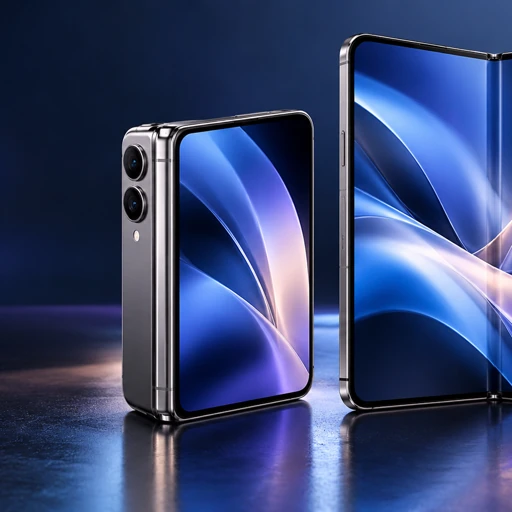
Apple’s first foldable iPhone is finally official. The iPhone Duo foldable combines a compact smartphone with a tablet-sized display, bringing a new form factor to Apple’s lineup. Announced in September 2026, it arrives with the A20 Pro processor, a titanium body, redesigned iOS 27 software, and a starting price of $1,999. With its October 23 release approaching, the important question is whether that larger screen justifies spending nearly $2,000 on a phone.
Key Takeaway: The iPhone Duo is Apple’s first foldable smartphone, featuring a 5.4-inch cover display and a 7.6-inch folding screen. It starts at $1,999 for 256GB, with pre-orders opening October 16, 2026, and US sales beginning October 23. Its A20 Pro chip, titanium construction, IP68 rating, and foldable-focused iOS 27.1 experience make it Apple’s most expensive iPhone yet.
What Is the iPhone Duo Foldable?
The iPhone Duo is Apple’s first book-style folding smartphone. Instead of a conventional single-screen design, it uses two displays connected by a precision-engineered hinge. When closed, it functions like a compact iPhone. Open it, and the larger display provides more room for productivity, entertainment, and multitasking.
Apple officially introduced the device on September 9, 2026. According to the company’s September announcement, the inner screen measures 7.6 inches, while the outer display measures 5.4 inches. Both use Super Retina XDR technology and support ProMotion.
This approach differs from flip-style foldables, which primarily reduce a phone’s pocket size. The Duo is designed to offer two usable screen formats without requiring a separate tablet.
Why Apple’s First Foldable Matters
Samsung, Huawei, Honor, and other manufacturers have spent years developing folding phones. Apple entered the category later, giving it an opportunity to focus on hinge durability, application compatibility, and software integration.
The most important difference is how the device works with Apple’s existing ecosystem. Features such as Apple Intelligence, iCloud, AirDrop, Apple Watch integration, and Apple Pencil support can make the folding screen more useful for existing iPhone owners.
However, the Duo still faces the familiar foldable trade-offs: higher prices, potentially expensive repairs, and an inner display that requires more care than conventional glass.
iPhone Duo Release Date and Availability
Apple has confirmed the iPhone Duo’s launch schedule. Pre-orders began on October 16, 2026, at 5 a.m. Pacific Time, while general availability starts on October 23.
The initial release covers the United States and more than 70 countries and regions. These include Canada, the United Kingdom, Australia, India, China, Japan, Germany, and the United Arab Emirates.
Another 28 countries and regions receive the device on October 30, 2026.
According to Apple’s October 15 Newsroom update, customers can order through the company’s website or the Apple Store app. The company also offers trade-ins, financing, and device setup assistance.
Early demand appears strong. Reuters reported on October 21 that online pre-orders had sold out quickly, with some delivery estimates moving into January. Apple expects limited walk-in inventory at selected stores on launch day, so availability may differ significantly by country and retailer.
iPhone Duo Price: How Much Does Apple’s Foldable Cost?
The iPhone Duo starts at $1,999 in the United States for the 256GB version, making it Apple’s most expensive iPhone at launch.
Apple offers four storage configurations:
- 256GB: Starting at $1,999.
- 512GB: Additional storage for larger media libraries and applications.
- 1TB: Suitable for professionals managing extensive files and video projects.
- 2TB: The highest-capacity option for demanding users.
Apple also lists financing starting at $83.29 monthly over 24 months for the entry configuration, before applicable taxes and other charges. Regional pricing varies because of currency conversion, taxes, and local market conditions.
Accessories and Ownership Costs
The official iPhone Duo Case costs $79, while Apple’s Folio with Kickstand costs $129. Both are designed around the device’s folding mechanism.
Protection deserves particular consideration. A folding display and specialized hinge can make repairs more complicated than replacing a conventional smartphone screen.
AppleCare+ is available for eligible purchases, but buyers should review local coverage terms, deductibles, and replacement costs before committing.
For perspective, shoppers who primarily need messaging, photography, and social applications can explore our best budget smartphones 2026 guide. Spending $2,000 makes sense only when the folding design provides a meaningful everyday advantage.
iPhone Duo Specifications Explained
Dual Displays and Folding Design
The iPhone Duo has a 5.4-inch outer display and a 7.6-inch inner display. Apple states that the opened screen provides approximately 50% more display area than the iPhone 18 Pro Max.
Both displays support ProMotion, Always On functionality, and peak outdoor brightness of up to 3,000 nits. The folding panel also features a nano-texture treatment designed to reduce glare and make the crease less noticeable.
The device measures approximately 5.2mm thick when unfolded, according to GenZ NewZ’s October 2026 phone launch coverage. Its slim construction relies on a titanium frame and specialized hinge components.
Apple uses grade 5 titanium, Ceramic Shield protection, and a precision hinge containing more than 100 components. The company also specifies IP68 water and dust resistance.
That rating offers reassurance against environmental exposure, but it does not make the flexible inner display immune to scratches, impact damage, or wear.
A20 Pro Chip and Performance
The iPhone Duo runs Apple’s A20 Pro processor, paired with a redesigned thermal system and vapor chamber.
This hardware targets demanding applications, photography processing, gaming, and multitasking. Its performance benefits should be especially noticeable when switching between several applications on the expanded screen.
For example, someone reviewing a PDF while composing an email can use the larger interface without constantly moving between separate full-screen views.
Apple also introduces a dual-battery architecture. Although the company emphasizes all-day battery life, real-world endurance will depend on how frequently owners use the larger display, brightness settings, network conditions, and demanding applications.
Cameras and Photography
The iPhone Duo features two 48-megapixel rear cameras, including a 48MP Fusion Main camera and a 48MP ultra-wide camera.
Apple’s computational photography system supports detailed images, improved low-light processing, and flexible framing. The main camera also offers an optical-quality 2x crop option.
One practical advantage is the folding form factor itself. Users can position the device partially open for supported photography or video activities, reducing dependence on a separate stand.
However, buyers prioritizing extensive optical zoom should compare the Duo against traditional premium camera phones before purchasing.
Touch ID Returns
Instead of relying exclusively on Face ID, Apple integrates Touch ID into the side button.
This placement works whether the phone is folded or unfolded, avoiding the complications of positioning facial authentication hardware around two different screen configurations.
Owners can use fingerprint authentication for unlocking and compatible secure actions. Apple also supports unlocking the device with a compatible Apple Watch.
iOS 27.1: What Changes on a Foldable iPhone?
The iPhone Duo ships with iOS 27.1, incorporating interface adjustments specifically designed for its two-screen format.
Apple’s biggest software challenge is ensuring that applications transition naturally between the outer and inner displays. A useful folding phone should not feel like two unrelated devices.
Multitasking and Larger Workspaces
The expanded display gives supported applications more room to present content, navigation elements, and secondary panels.
Consider a designer checking a website prototype in Safari while reviewing project notes. The larger display can make this workflow more comfortable than constantly zooming and switching views on a conventional smartphone.
Similarly, reading documents, working with spreadsheets, and reviewing presentations can benefit from the additional display area.
Nevertheless, the Duo should not automatically be considered an iPad or MacBook replacement. Desktop-grade workflows, specialized applications, and file management requirements may still favor larger devices.
Apple Intelligence and Siri AI
iOS 27 introduces updated Apple Intelligence capabilities, including Siri AI features designed to work with personal context and onscreen information.
Apple says Siri AI can remain available alongside supported applications on the larger display, making it easier to ask questions about visible content.
Some features are launching in beta, and language or regional limitations still apply. Buyers should check the official availability details rather than assuming every demonstrated capability will work immediately.
Apple has also announced Apple Pencil with USB-C support for the Duo later in 2026, expanding its potential for annotations and quick sketches.
iPhone Duo vs OnePlus 16 vs Oppo Find X10 Series
October 2026 brings several important flagship launches, but these devices serve different purposes.
The iPhone Duo is a true foldable. The OnePlus 16 and Oppo Find X10 series are conventional smartphones with an emphasis on battery capacity, performance, and advanced camera hardware.
That distinction matters when evaluating their prices.
| Feature | iPhone Duo | OnePlus 16 | Oppo Find X10 Series |
|---|---|---|---|
| Launch | October 23, 2026 | October 12, 2026, China | October 21, 2026, global launch |
| Design | Book-style foldable | Traditional flagship | Traditional flagships |
| Display | 5.4-inch outer, 7.6-inch inner | 6.78-inch OLED | Conventional flagship displays |
| Processor | Apple A20 Pro | Snapdragon 8 Elite Gen 6-class | Dimensity 9600M / 9600 Pro |
| Cameras | Dual 48MP rear | 200MP main, 50MP ultra-wide and telephoto | Dual 200MP on X10, triple 200MP on Pro Max |
| Battery | Dual-battery design | 9,000mAh | Up to 8,000mAh, market dependent |
| Price | From $1,999 | From approximately $850 in China | Varies by model and market |
| US availability | Official launch | No official US launch | No confirmed official US launch |
OnePlus 16: Battery and Performance
The OnePlus 16 debuted in China on October 12. Earlier GenZ NewZ reporting suggested a price around $745 and described its 9,000mAh battery as leaked information.
However, OnePlus has since published its official specifications, confirming the 9,000mAh equivalent battery capacity, up to 100W wired charging, and Snapdragon 8 Elite Gen 6-class hardware. The reported Chinese starting price is approximately $850, higher than the earlier estimate.
The OnePlus 16 could be attractive for gaming and battery endurance, but its China-focused availability makes importing complicated for US buyers.
Oppo Find X10: Photography First
Oppo launched the Find X10 and Find X10 Pro Max globally on October 21, 2026.
According to Oppo’s official announcement, the standard Find X10 includes a dual 200MP camera system, while the Pro Max features three 200MP rear cameras developed with Hasselblad imaging technology.
Both models use MediaTek processors, run ColorOS 17, and offer batteries rated up to 8,000mAh in supported markets.
These devices prioritize traditional flagship capabilities rather than flexible-screen productivity. Megapixel counts alone cannot establish camera superiority, so processing quality, sensors, lenses, and independent comparisons remain important.
What About Samsung and Other Foldables?
For a direct folding-screen comparison, Samsung’s Galaxy Z Fold family, Honor’s Magic V series, and Vivo’s X Fold devices are more relevant than the OnePlus 16 or Oppo Find X10.
They compete on hinge engineering, display crease visibility, multitasking interfaces, device thickness, and long-term support.
Our guide to whether foldable phones worth it explores the broader advantages and trade-offs of this category.
Who Should Buy the iPhone Duo?
The iPhone Duo makes the most sense for people who genuinely benefit from carrying a larger display throughout the day.
- Professionals: People reviewing documents, presentations, dashboards, and messages while traveling.
- Designers and creators: Users who frequently preview layouts, reference images, or annotate visual work.
- Frequent travelers: People who prefer one device for communication, navigation, and entertainment.
- Apple ecosystem users: Customers already invested in iCloud, Apple Watch, AirPods, and other Apple services.
On the other hand, the Duo is difficult to justify for users who mainly browse social media, take occasional photos, and communicate through messaging applications.
The same distinction applies to other emerging wearable technologies. Our AI smart glasses guide examines another approach to extending computing beyond conventional smartphone screens.
What to Check Before Buying
- Try both displays: Verify that the smaller cover screen feels comfortable for regular typing, navigation, and messaging.
- Inspect the hinge: Open and close a demonstration unit to assess resistance, screen reflections, and crease visibility.
- Test your main applications: Confirm that your banking, productivity, design, and messaging apps behave properly on the unfolded screen.
- Compare total ownership costs: Include protective accessories, insurance, taxes, and potential repair expenses.
- Check delivery availability: High pre-order demand may mean longer shipping times than the official release date suggests.
A short demonstration in an Apple Store could be more useful than several hours of reading specification sheets. Foldable ergonomics are highly personal, and the device’s value depends heavily on how someone actually uses it.
Frequently Asked Questions
1. When is the iPhone Duo release date?
The iPhone Duo officially goes on sale October 23, 2026, following pre-orders that began October 16. The first release covers the United States and more than 70 countries and regions. Apple has scheduled availability in another 28 markets for October 30. Actual shipping dates depend on inventory, configuration, and location.
2. How much does the iPhone Duo cost in the US?
The iPhone Duo starts at $1,999 for the 256GB configuration, making it Apple’s most expensive iPhone at launch. Additional 512GB, 1TB, and 2TB models are available at higher prices. Apple offers financing and trade-in options, although taxes, protective accessories, and optional AppleCare coverage can increase the total cost.
3. What screen size does the iPhone Duo have?
The iPhone Duo includes two displays: a 5.4-inch outer screen and a 7.6-inch folding inner screen. Both support Apple’s Super Retina XDR technology and ProMotion. The larger screen offers additional workspace for reading, entertainment, and supported multitasking features, while the outer display handles regular smartphone activities when the device is closed.
4. Does the iPhone Duo have Face ID or Touch ID?
The iPhone Duo uses Touch ID integrated into its side button rather than the conventional Face ID arrangement. This allows fingerprint authentication when the device is either open or closed. Apple also supports unlocking through a compatible Apple Watch. The positioning makes authentication consistent across the phone’s two physical configurations.
5. Is the iPhone Duo worth buying over a regular iPhone?
The iPhone Duo is worth considering if you regularly need a larger portable display for documents, multitasking, reading, or creative work. However, its $1,999 starting price is difficult to justify for basic smartphone activities. A conventional premium iPhone remains the more practical choice for buyers prioritizing familiar ergonomics, lower costs, and simpler ownership.
Conclusion: Is Apple’s First Foldable Worth $2,000?
The iPhone Duo brings a meaningful new option to Apple’s smartphone lineup. Its 7.6-inch folding display, A20 Pro processor, titanium construction, and redesigned iOS 27.1 experience make it particularly interesting for people who value portable screen space.
However, the $1,999 starting price demands careful consideration. Traditional flagships can deliver strong performance, excellent cameras, and longer battery life for substantially less money.
The clearest takeaway is simple: buy the iPhone Duo for its folding display and the workflows it enables, not simply because it is Apple’s newest iPhone. For most buyers, hands-on testing and careful cost comparison should come before placing an order.